Merchant Accounts Explained
What Is A Merchant Account?
Any business that wants to accept credit cards as a method of payment needs a merchant account. From the smallest home-based businesses to the largest corporations and department stores, if they want to accept credit card payments they must have their own merchant account.
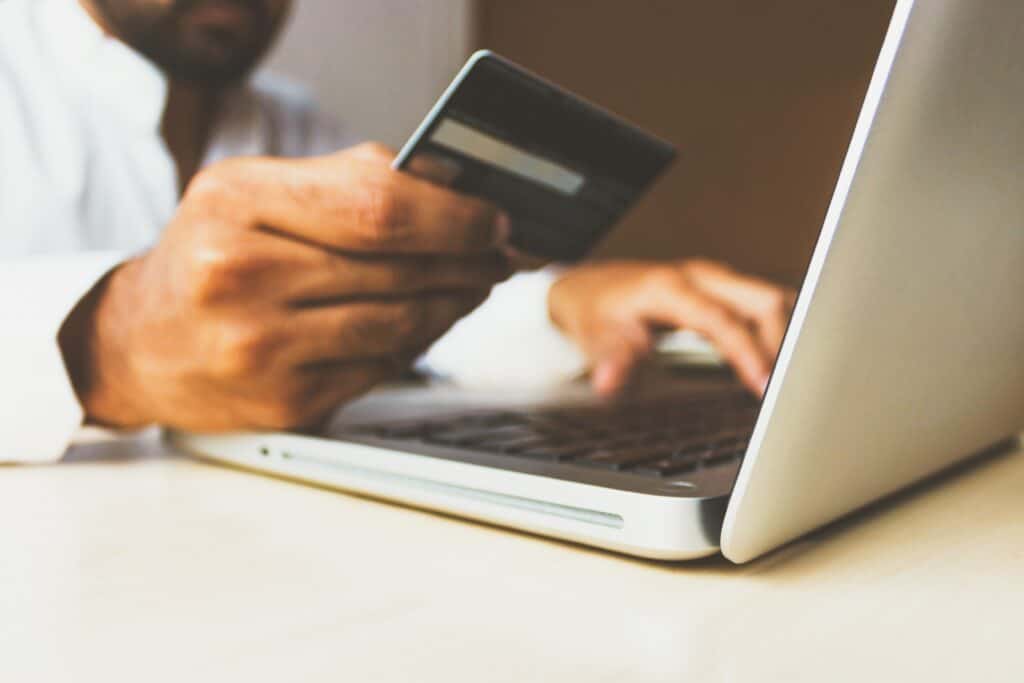
A merchant account is a formal agreement between a business and a credit card processor that allows a business to accept credit card payments from its customers. Monies collected as a result of the credit card charges are then deposited into the business' bank account.
There are two main types of merchant accounts. The first is a card present merchant account and the other is a card not present account, which is also known as a MOTO (mail order/telephone order) or Internet merchant account. With a "card present" account, the credit card is actually present at the time of the sale and is typically swiped using a credit card terminal which transmits the transaction information for approval to the merchant provider. With a MOTO or Internet merchant account, the card is not present at the time of transaction creating a higher risk, so additional approval is required.
If you're in an industry that's prone to high rates of chargebacks, you may be considered a high risk business by the credit card processors and may require a high risk merchant account.
How To Get A Merchant Account
If you're looking for how to get a merchant account, you'll first need to fill out an application and have it approved directly by credit card processor. While banks offer merchant accounts, they're not always the best place to turn to for your merchant account needs as their application process is a bit more stringent than other types of merchant account providers, plus they do not typically offer any advanced processing solutions such as wireless or web based processing.
Once you're approved for a merchant account, you'll need a way to process your transactions. This will involve using either a Point of Sale (POS) credit card terminal, credit card processing software or an Internet payment gateway. Once you decide which is right for you, you'll need to program your merchant account into the software or the terminal that you will be using.
Once your merchant account is programmed and ready, you can begin to process credit card transactions. If the transaction is approved, the amount of the transaction is credited to your merchant account. If the transaction is not approved, the amount will not be credited to your merchant account. At the end of the day, the total of funds in your merchant account are settled and transferred to your bank account. Typically that process takes two business days.
Some merchant account providers will require you to set up a bank account with their bank in order to have a merchant account with them. However, most others do not require you to do this and allow you to bank wherever you choose.
It is almost always best to use a merchant account that will let you bank wherever you choose to bank, as the merchant account is a totally separate account from your regular bank account and you may have needs for your bank account that the merchant account provider can not meet.
Frequently Asked Questions
Do I need a merchant account to accept credit cards?
Yes, if you want to accept credit cards directly and have funds deposited into your own bank account, you need a merchant account. Aggregate services like PayPal or Square technically provide a shared merchant account — which gives you less control, higher rates on volume, and greater risk of account holds. A dedicated merchant account from a processor like CyoGate gives you your own account with your own rates and no shared-account risk.
How long does it take to get a merchant account approved?
Standard low-risk accounts are often approved within 1–3 business days with complete documentation. High risk merchant accounts typically take 3–7 business days depending on the industry and underwriting requirements. Having your business license, voided check, processing history (if any), and ID ready speeds up the process considerably.
What's the difference between a merchant account and a payment gateway?
A merchant account is the banking relationship that holds and settles your funds. A payment gateway is the technology that securely transmits transaction data between your website (or terminal) and the processor. For online sales, you need both. See our full explanation: Merchant Account vs. Payment Gateway — What's the Difference?
Can I get a merchant account with bad credit or as a new business?
Yes. While traditional banks can be strict, many processors — including CyoGate — offer merchant accounts for new businesses with no processing history. Bad credit is a factor but not necessarily disqualifying. See our tips on how to qualify for a merchant account for specific guidance.
What is a high risk merchant account?
A high risk merchant account is a merchant account underwritten by a processor willing to accept industries or business profiles that standard banks decline. Common reasons a business is classified high risk include industry type (gambling, nutraceuticals, adult, CBD), high chargeback history, high average ticket size, or large monthly volume. High risk accounts carry higher processing rates and may include a rolling reserve.